
You pick up a product labeled “THCA” and wonder: will this get me high? Will it get my shop in trouble? The THCA vs THC question confuses beginners and business owners alike. The two compounds look almost identical on paper. Yet they act very differently in your body and under the law. Moreover, US rules are shifting fast right now. In this guide, you will learn what each compound does, how heat links them, and where each one stands in the USA and UK. First, let’s cover the basics.
THCA vs THC in Short
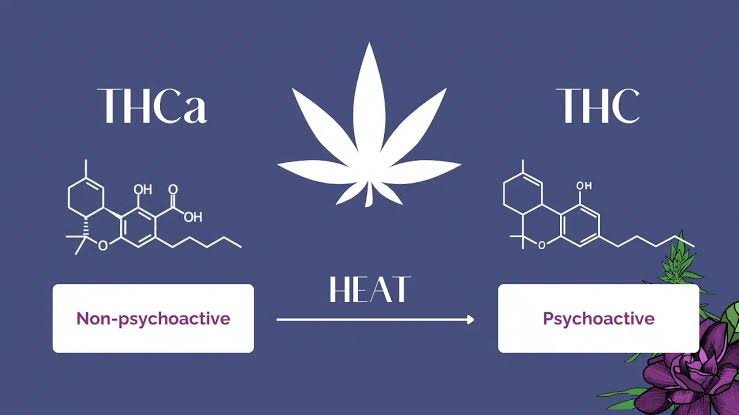
THCA vs THC comes down to heat. THCA is the raw, non-intoxicating acid found in fresh cannabis. When you heat it through smoking, vaping, or cooking, it converts into THC, the compound that causes a high. In short, THCA is the precursor, and THC is the active result.
What Is THCA?
THCA stands for tetrahydrocannabinolic acid. Fresh, living cannabis plants contain mostly THCA, not THC. Because its molecule has an extra acid group, it does not fit your brain’s cannabinoid receptors well. As a result, raw THCA does not cause a high.
You will often see THCA flower sold in shops. It looks like regular cannabis buds, but its label shows high THCA and low THC.
What Is THC?
THC (delta-9 tetrahydrocannabinol) is the main psychoactive compound in cannabis. It binds to receptors in your brain and body. Therefore, it creates the high, along with changes in mood, appetite, and perception.
THCA vs THC: Key Differences
| Feature | THCA | THC |
|---|---|---|
| Intoxicating? | No, in raw form | Yes |
| Where you find it | Raw, fresh cannabis | Heated or aged cannabis |
| Common forms | Flower, juices, tinctures | Smoke, vapes, edibles |
| Federal US status | Counts toward total THC | Controlled above hemp limits |
How Decarboxylation Works
The difference between THCA and THC is one chemical step. Heat removes the acid group, and scientists call this process decarboxylation. It starts when you light a joint or vape flower. Likewise, bakers heat cannabis in an oven, often around 220–245°F (105–120°C), before making edibles.
Here is the simple sequence:
- You apply heat.
- The acid group leaves as carbon dioxide.
- THCA becomes THC.
- You feel the effects.
Effects: What Should You Expect?
Raw THCA will not make you feel high. Some people take it in raw juices or tinctures for that reason. However, research on its benefits is still early, so treat health claims with caution. Anyone with a medical condition should talk to a doctor first.
THC, on the other hand, can cause relaxation, euphoria, and a bigger appetite. It can also cause anxiety, dry mouth, and impaired driving. For example, a 10 mg edible can hit a beginner much harder than expected. So start low and go slow.
Is THCA Legal? USA and UK
United States
For years, sellers argued that THCA flower was legal hemp. The 2018 Farm Bill capped only delta-9 THC at 0.3%, so THCA slipped through. That gap is closing. The new rules measure total THC, which adds 87.7 percent of the THCA content to the THC. Finished hemp products also face a cap of 0.4 mg total THC per container. Most THCA flower fails that test.
The timing matters. Congress delayed the total THC standard and the per-container cap until December 11, 2026. Lawmakers could still change course before then. Meanwhile, state laws vary widely, so check yours.
United Kingdom
The UK takes a stricter view. THC is a Class B controlled drug under the Misuse of Drugs Act 1971. Cannabis plant material generally stays controlled, even when sold as THCA flower. Legal CBD products can contain only trace controlled cannabinoids, around 1 mg per container. Therefore, UK sellers should get legal advice before stocking THCA.
Tips for Small Business Owners
If you sell hemp or CBD products, act now:
- Request lab reports. Ask suppliers for a certificate of analysis showing total THC, not just delta-9.
- Audit your inventory. Then flag every product that may breach the December 11 limit.
- Plan your stock. Avoid large orders of THCA flower until the law settles.
- Label clearly. Also avoid medical claims.
- Watch your state. Some states ban these products already.
THCA vs THC: Frequently Asked Questions
Does THCA get you high?
No, not in raw form. However, heat converts it to THC, which does.
Will THCA show up on a drug test?
Possibly. Once you heat THCA, your body processes it as THC. Therefore, it can trigger a positive result.
Is THCA legal in the UK?
Generally no. UK law treats cannabis plant material as controlled. Check with a legal expert before selling.
Can you eat THCA raw?
Yes. People blend raw cannabis into juices, and it will not cause a high. Still, the evidence for health benefits remains limited.
Why is THCA flower so popular?
It looked legal under the old US hemp rules. Also, it delivers strong effects once you smoke it.
Conclusion: Key Takeaways
To sum up, THCA vs THC is a story of chemistry and law. First, THCA is raw and non-intoxicating. Second, heat turns it into THC. Finally, regulators now count both, so the old loophole is closing.
Check your local laws, read lab reports, and stay current. Subscribe to our newsletter for updates before the December deadline.