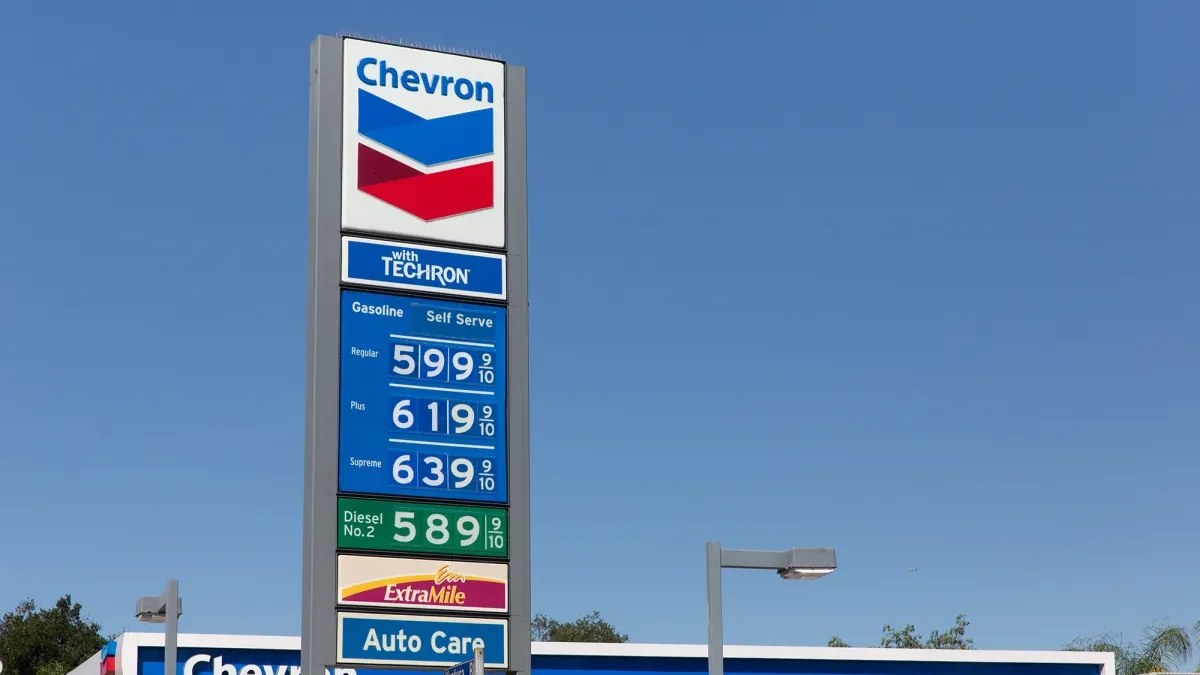
Gas prices under Biden became one of the most visible economic signals of his presidency. Every driver sees the number on the sign at the pump, which makes it a daily reminder of broader economic forces — inflation, global supply chains, and geopolitical conflict — that most people never directly experience otherwise.
This article breaks down what actually happened to gas prices during Biden’s term, why they moved the way they did, and what factors still influence the price you pay today.
What were gas prices when Biden took office?
Gas prices stood near $2.40 per gallon when Biden was inaugurated in January 2021 [verify]. That figure reflected depressed demand from the COVID-19 pandemic, when lockdowns and remote work had cut fuel consumption nationwide.
Prices began climbing within months as the economy reopened. Pent-up demand for travel and commuting pushed consumption back toward pre-pandemic levels faster than oil producers could ramp up supply.
Why did gas prices spike in 2022?
Gas prices hit a record national average near $5.00 per gallon in June 2022 [verify]. Two forces combined to drive that spike:
- Pandemic recovery demand — Reopened economies worldwide pushed oil demand up faster than production could match.
- Russia’s invasion of Ukraine — The February 2022 invasion triggered sanctions on Russian oil exports, removing a major global supplier and spiking crude prices worldwide.
Crude oil costs make up roughly half of what drivers pay at the pump, according to the U.S. Energy Information Administration (EIA). When crude prices spike, retail gas prices follow within weeks.
How much control does a president actually have over gas prices?
A president has limited direct control over gas prices. Global oil markets set the baseline price, and decisions by OPEC+ (the Organization of the Petroleum Exporting Countries and allied producers) on production levels often move markets more than any single country’s policy.
Presidents can influence prices at the margins:
- Releasing oil from the Strategic Petroleum Reserve (SPR) to boost short-term supply
- Adjusting federal leasing policy for drilling on public lands
- Negotiating with allied producers on output levels
The Biden administration released record volumes from the SPR in 2022 to ease pump prices ahead of peak summer demand [verify].
Where do gas prices stand now?
Gas prices eased through 2023 and 2024 as crude supply stabilized and recession fears cooled demand, though averages remained above pre-pandemic 2019 levels [verify]. Regional differences persist: California and the West Coast consistently post the highest prices due to state taxes and specialized fuel-blend requirements, while Gulf Coast states near refineries typically see the lowest.
Frequently Asked Questions
Did gas prices double under Biden?
Gas prices roughly doubled from their January 2021 low near $2.40 to their June 2022 peak near $5.00 per gallon [verify], before declining over the following year.
What caused the 2022 gas price spike specifically?
The 2022 spike stemmed primarily from Russia’s invasion of Ukraine disrupting global oil supply, compounded by strong post-pandemic demand that outpaced production increases.
Does releasing oil from the Strategic Petroleum Reserve lower gas prices?
An SPR release can lower prices modestly and temporarily by adding supply to the market, but it does not offset sustained demand or supply shocks on its own.
Are gas prices the same in every state?
No. State fuel taxes, refinery proximity, and fuel-blend regulations create significant regional variation — California and Hawaii typically rank highest, while Gulf Coast states rank lowest.
Will gas prices keep falling?
Future gas prices depend on OPEC+ production decisions, global demand trends, and any new supply disruptions, making precise predictions unreliable beyond a few months out.
Key Takeaways
Gas prices under Biden followed a clear arc: a post-pandemic climb, a 2022 spike tied to the war in Ukraine, and a gradual easing afterward. Presidential policy shapes prices at the margins, but global oil markets and geopolitical events remain the dominant forces. Track current prices through the EIA’s weekly gasoline survey to see how national and regional trends are shifting now.