
Innovations in Materials Science Reshaping Modern Industry
Quick answer: Innovations in materials science are changing how products get built — self-healing polymers repair cracks automatically, graphene conducts electricity 200 times better than steel conducts heat [verify], and biodegradable composites cut plastic waste. These advances matter for manufacturers, product designers, and small business owners sourcing materials today.
Materials science used to move at the pace of decades. A new alloy, a new polymer, a new ceramic — each took years of lab work before reaching a factory floor. That pace has changed. Innovations in materials science now reach commercial products within a few product cycles, not a generation.
This shift matters if you design products, source components, or simply want to understand what’s replacing plastic, steel, and glass in the things you buy. The sections below cover the breakthroughs driving this change and what each one solves.
What are the biggest innovations in materials science right now?
Seven categories of innovation define the current wave of materials science:
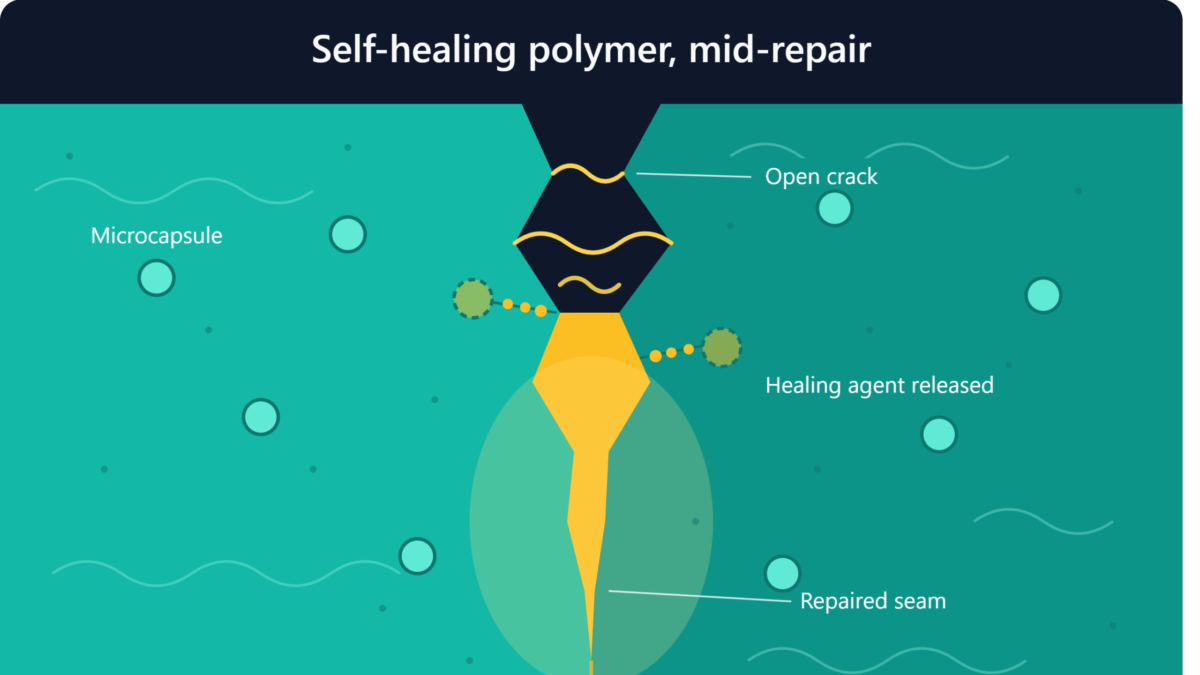
- Self-healing polymers — materials that repair microcracks without human intervention, using embedded capsules of healing agent that rupture and seal damage.
- Graphene and 2D materials — single-layer carbon structures prized for strength and conductivity.
- Biodegradable composites — plant-based fibers replacing petroleum plastics in packaging and automotive parts.
- Shape-memory alloys — metals that return to a pre-set shape after deformation, used in medical stents and aerospace components.
- Metamaterials — engineered structures with properties not found in nature, such as negative refraction for advanced optics.
- 3D-printed metals — additive manufacturing that builds complex metal parts layer by layer, reducing waste versus traditional machining.
- Solid-state battery materials — ceramic and glass electrolytes replacing liquid electrolytes for safer, higher-density batteries.
Choose self-healing polymers if product longevity matters more than upfront cost. Choose biodegradable composites if your priority is regulatory compliance on plastic waste.
How is graphene changing product design?
Graphene is a single layer of carbon atoms arranged in a hexagonal lattice. It’s roughly 200 times stronger than steel by weight [verify] and conducts electricity with minimal resistance. Manufacturers use it in flexible electronics, lightweight composites for aerospace, and next-generation battery electrodes.
A named example: Samsung has incorporated graphene-based materials into battery research aimed at faster charging times. That application alone signals why graphene draws continued investment despite high production costs.
Why do self-healing materials matter for small business owners?
Self-healing materials cut replacement and repair costs. A coating or component that mends its own microfractures extends product lifespan without added labor. For a small business selling outdoor equipment, furniture, or electronics casings, that translates directly into fewer warranty claims.
The mechanism is straightforward: microcapsules embedded in the material rupture when a crack forms, releasing a healing agent that fills and seals the damage. No tools, no manual intervention.
What role do biodegradable composites play in sustainability goals?
Biodegradable composites replace petroleum-based plastics with plant fibers — hemp, flax, and bamboo are common choices. These materials break down under composting conditions instead of persisting in landfills for centuries.
Businesses facing plastic-reduction regulations or customer pressure around sustainability should evaluate biodegradable composites first, since they require the least change to existing manufacturing processes compared to full material overhauls.
Where are these innovations headed next?
Solid-state battery materials and 3D-printed metals represent the next commercial frontier. Solid-state batteries promise higher energy density and reduced fire risk compared to lithium-ion batteries with liquid electrolytes. 3D-printed metal parts reduce material waste by building only what’s needed, layer by layer, instead of cutting away excess from a block.
Track both categories closely over the next two to three years.
FAQ
What is materials science innovation?
Materials science innovation refers to the development of new or improved materials — polymers, metals, ceramics, and composites — that offer better performance, lower cost, or reduced environmental impact than existing alternatives.
How much do self-healing materials cost compared to traditional materials?
Self-healing materials currently carry a higher upfront cost due to manufacturing complexity, though exact pricing varies by application [verify]. The cost often offsets over time through reduced repair and replacement needs.
Are biodegradable composites as durable as plastic?
Biodegradable composites can match plastic’s durability for many applications, particularly packaging and non-structural components, though performance varies by fiber type and intended use.
Who benefits most from graphene-based materials?
Industries requiring high strength-to-weight ratios and conductivity — aerospace, electronics, and battery manufacturing — see the most direct benefit from graphene adoption.
What’s the difference between a metamaterial and a composite?
A composite combines two or more materials to gain combined properties. A metamaterial is engineered at the structural level to produce properties — like negative refraction — that don’t occur in any natural material.
Key Takeaways
Innovations in materials science are no longer confined to research labs. Self-healing polymers reduce maintenance costs, graphene improves strength and conductivity, and biodegradable composites address plastic-waste regulations head-on. Each innovation solves a distinct problem, so match the material to your specific constraint — cost, durability, or sustainability — rather than chasing the newest headline material.
Review your current material specifications against this list and identify one category worth a pilot test this quarter.