Publishing content without a clear plan can quickly become frustrating. You might spend hours writing blog posts, creating social media updates, or producing videos without knowing whether they support your business goals.
That’s where a content roadmap comes in.
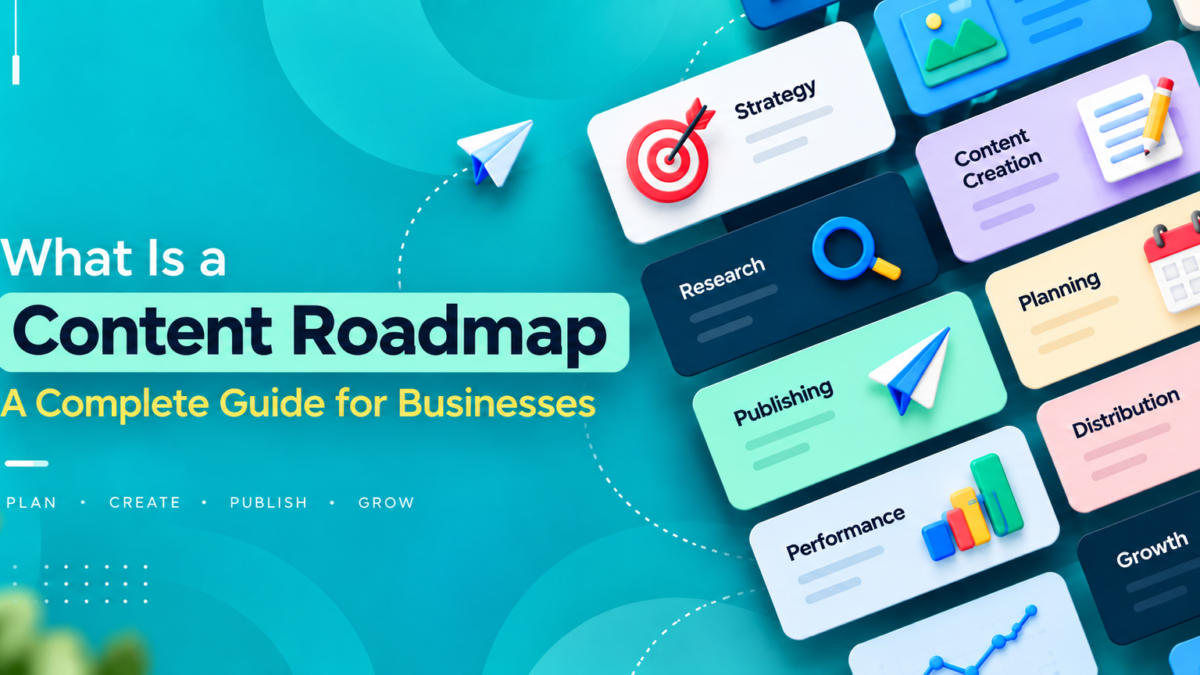
If you’re wondering what is a content roadmap, it’s a strategic plan that helps you decide what content to create, when to publish it, which platforms to use, and how each piece supports your business objectives.
For beginners and small business owners, a content roadmap makes content marketing more organized and manageable. Instead of guessing what to publish next, you have a clear direction, realistic priorities, and a plan you can follow.
Let’s explore how it works and how to create one for your business.
What Is a Content Roadmap?
A content roadmap is a strategic document that outlines your content marketing direction over a specific period. It connects your business goals with content topics, publishing schedules, target audiences, and distribution channels.
Featured snippet answer:
A content roadmap is a strategic plan that organizes what content a business will create, when it will publish it, where it will distribute it, and why each piece matters. It helps businesses align content with marketing goals, maintain consistency, reach their target audience, and measure results over time.
For example, a small online clothing store might create a three-month content roadmap covering:
- Blog posts about seasonal fashion trends.
- Instagram posts featuring new collections.
- Product guides to help customers choose outfits.
- Email newsletters announcing special offers.
Each content piece serves a purpose rather than being published randomly.
Why Is a Content Roadmap Important?
A content roadmap provides structure and direction to your marketing activities. It helps businesses use their time and resources more effectively.
Here are some important benefits.
1. Keeps Your Content Organized
A roadmap gives you a central place to manage content ideas, deadlines, publishing dates, and responsibilities.
You don’t have to constantly think about what to publish next.
2. Supports Business Goals
Every piece of content should have a purpose.
For example:
- Educational blogs can attract organic traffic.
- Product comparisons can support purchasing decisions.
- Case studies can build customer trust.
- Email content can encourage repeat purchases.
3. Improves Publishing Consistency
Consistency helps you maintain an active presence across your marketing channels.
A content roadmap allows you to plan ahead instead of creating everything at the last minute.
4. Saves Time and Resources
Planning content in advance reduces unnecessary work. You can research similar topics together, prepare multiple social media posts, and organize writing tasks efficiently.
What Should a Content Roadmap Include?
A useful content roadmap doesn’t need to be complicated. However, it should include several essential elements.
| Element | Purpose |
|---|---|
| Business goals | Defines what you want to achieve |
| Target audience | Identifies who you’re creating content for |
| Content topics | Organizes ideas and themes |
| Content formats | Defines blogs, videos, emails, etc. |
| Publishing schedule | Sets deadlines and publication dates |
| Distribution channels | Identifies where content will appear |
| Performance metrics | Measures content effectiveness |
Including these elements makes your content strategy easier to manage and evaluate.
How to Create a Content Roadmap Step by Step
Creating a content roadmap is easier when you break the process into manageable steps.
Step 1: Define Your Content Marketing Goals
Start by identifying what you want your content to accomplish.
Your goals might include:
- Increasing website traffic.
- Generating qualified leads.
- Improving brand awareness.
- Educating potential customers.
- Increasing product sales.
Choose goals that support your overall business objectives.
Step 2: Understand Your Target Audience
Research your audience’s interests, challenges, questions, and online behavior.
For example, if you run a digital marketing agency, your audience might search for information about SEO, keyword research, website optimization, and content marketing.
Use these insights to create relevant topics.
Step 3: Research and Organize Content Ideas
Find topics that match your audience’s search intent.
You can use Google Search, Google Trends, keyword research tools, and customer questions to identify opportunities.
Group related topics into content categories or topic clusters.
Step 4: Choose Content Formats and Channels
Decide how and where you will publish your content.
Common formats include:
- Blog articles.
- Infographics.
- Short-form videos.
- Social media posts.
- Email newsletters.
- Downloadable guides.
Choose formats that match your audience’s preferences and available resources.
Step 5: Create a Publishing Schedule
Organize your topics into a realistic calendar.
For example:
| Week | Content Topic | Format |
|---|---|---|
| Week 1 | Beginner’s SEO Guide | Blog |
| Week 2 | Keyword Research Tips | Blog |
| Week 3 | Common SEO Mistakes | Infographic |
| Week 4 | On-Page SEO Checklist | Blog |
A simple monthly schedule is often enough for a small business.
Step 6: Track and Improve Performance
Monitor how your content performs after publication.
Useful metrics include:
- Organic website traffic.
- Search engine rankings.
- Engagement.
- Email sign-ups.
- Leads and conversions.
Review your results regularly and update your roadmap based on what works.
Content Roadmap vs. Content Calendar: What’s the Difference?
These two terms are related, but they serve different purposes.
| Content Roadmap | Content Calendar |
|---|---|
| Focuses on long-term direction | Focuses on publishing dates |
| Connects content to business goals | Organizes publishing activities |
| Identifies priorities and themes | Tracks individual content pieces |
| Covers strategic planning | Covers day-to-day execution |
Think of your content roadmap as the overall plan and your content calendar as the schedule that helps you execute it.
Best Tools for Managing a Content Roadmap
You don’t need expensive software to get started.
Consider these beginner-friendly options:
- Google Sheets: Organize topics, deadlines, keywords, and publishing dates.
- Trello: Manage content tasks using visual boards.
- Notion: Keep content ideas, research, and planning documents together.
- Asana: Assign tasks and track progress across a team.
Choose a tool that fits your workflow and budget.
Frequently Asked Questions
1. What is the main purpose of a content roadmap?
The main purpose is to provide a clear direction for content creation. It connects content activities with business goals and helps maintain a consistent publishing strategy.
2. How far ahead should you plan a content roadmap?
Most beginners can start with a three-month roadmap. This provides enough time to organize topics, publish content, and review performance without making the plan too rigid.
3. Is a content roadmap the same as a content strategy?
No. A content strategy defines the overall approach, goals, audience, and messaging. A content roadmap translates that strategy into planned activities, priorities, and timelines.
4. Who needs a content roadmap?
Bloggers, freelancers, marketing teams, startups, and small business owners can all benefit from a content roadmap. Anyone creating content regularly can use one to stay organized.
5. Can I create a content roadmap for free?
Yes. You can create a simple content roadmap using free tools such as Google Sheets, Trello, or Notion. Start with basic columns for topics, deadlines, formats, and goals.
Conclusion
Understanding what is a content roadmap is an important first step toward building a more organized content marketing strategy.
A roadmap helps you connect business goals with audience needs, plan valuable topics, maintain publishing consistency, and measure results.
You don’t need complicated software or a large marketing team to get started. Begin with a simple three-month plan, choose relevant topics, create a realistic publishing schedule, and improve your approach as you learn.
Ready to organize your content marketing? Create your first content roadmap today and turn your content ideas into a practical plan for business growth.