
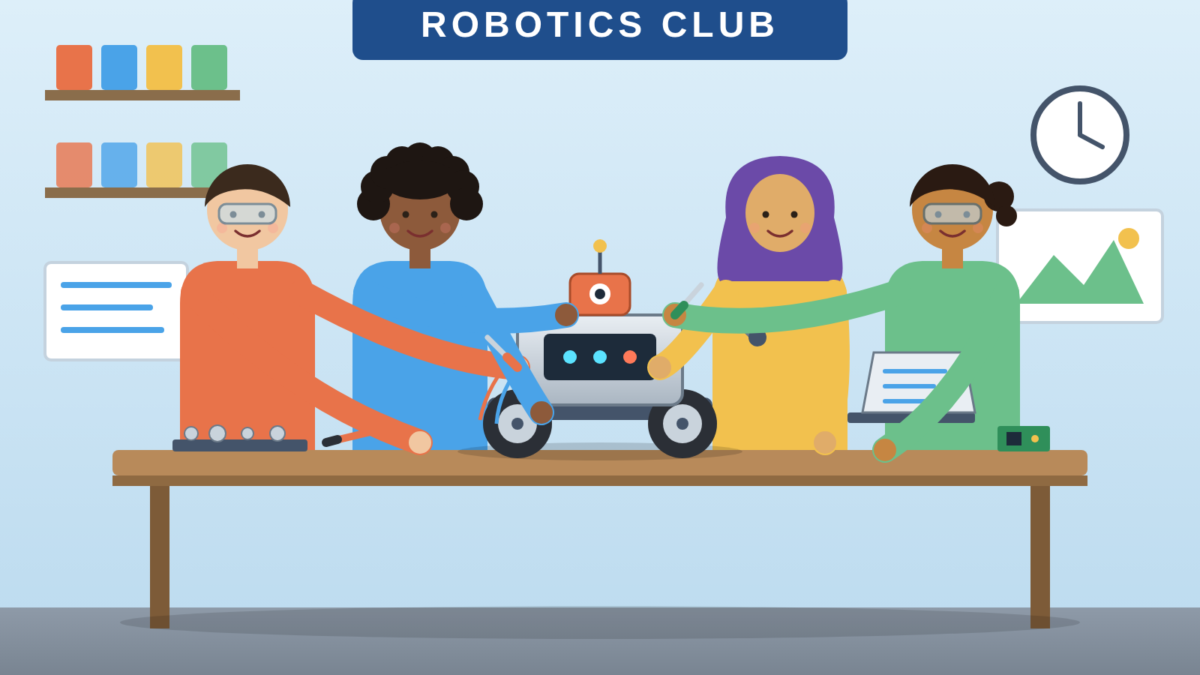
Engineering competitions are structured challenges where participants design, build, and test solutions to real-world problems. They range from robotics contests to bridge-building challenges. Beginners can start by joining a school club, entering a regional event, or competing online — no prior experience required.
Engineering competitions give students and hobbyists a hands-on way to test ideas against real constraints. You pick a problem, build a solution, and see how it performs against other teams. That feedback loop teaches more in a weekend than months of classroom theory.
This guide covers what engineering competitions are, why beginners should try one, and how to find and enter your first event.
What Are Engineering Competitions?
Engineering competitions are structured challenges where teams design, build, and test a solution within set rules and a deadline. Judges score entries on criteria like function, efficiency, creativity, or cost.
Common formats include:
- Robotics competitions — such as FIRST Robotics, where teams build robots to complete specific tasks
- Design challenges — like bridge-building or egg-drop contests that test structural engineering
- Hackathons — time-boxed events focused on software or hardware prototypes
- Case competitions — where teams solve an engineering problem on paper or in simulation
Each format tests different skills, but all reward iteration — building, testing, and refining under pressure.
Why Should Beginners Enter an Engineering Competition?
Engineering competitions accelerate learning by forcing you to apply concepts immediately. Reading about load-bearing structures is one thing; watching your bridge collapse under a test weight teaches you faster.
Three concrete benefits for beginners:
- Build a portfolio. Competition projects give you tangible work to show on college applications, resumes, or college applications — something theoretical coursework can’t replicate.
- Develop teamwork skills. Most competitions are team-based, so you’ll practice dividing tasks, managing deadlines, and communicating technical ideas.
- Access mentorship. Many events pair beginner teams with industry mentors or experienced coaches, which [verify] can shorten the learning curve significantly.
How Do You Find a Beginner-Friendly Engineering Competition?
Start by searching for competitions matched to your skill level and interests, not the most prestigious event available. A first-year team entering an advanced robotics league will likely struggle more than one competing in an entry-level division.
Three places to look:
- School or university clubs. Most STEM programs run or sponsor local competitions with built-in mentorship.
- National organizations. Groups like FIRST, SAE International, and ASCE run tiered competitions, so beginners can enter at an appropriate level.
- Online platforms. Sites like Devpost list virtual hackathons and design challenges open to all skill levels, often with no travel required.
How Do You Prepare for Your First Engineering Competition?
Preparing for your first engineering competition means practicing the skill being tested, not just studying the rules. If it’s a robotics event, build and test a simple prototype before competition day. If it’s a case competition, practice solving sample problems under a timer.
Follow these four steps:
- Read the rules twice. Competition rules define scoring criteria, materials allowed, and submission formats — missing a detail here can disqualify an otherwise strong entry.
- Form a balanced team. Pair people with complementary strengths: one strong in design, one in testing, one in presentation.
- Build a prototype early. Early prototypes reveal flaws while there’s still time to fix them.
- Run a mock judging session. Present your project to a teacher, mentor, or parent and ask for direct feedback before the real event.
Key Takeaways
Engineering competitions turn abstract knowledge into practical skill. Start small, choose a beginner-friendly event, and treat your first competition as a learning experience rather than a win-or-lose test. The portfolio piece and teamwork experience you walk away with matter more than the trophy.
Ready to get started? Search for a local STEM club or browse an online platform like Devpost for your first beginner-friendly challenge.
FAQ
Do I need prior engineering experience to enter a competition?
No. Most beginner divisions are designed for first-time participants, and many events provide starter kits, mentors, or tutorials.
How much does it cost to enter an engineering competition?
Costs vary widely — some online hackathons are free, while robotics competitions may involve registration and materials fees. Check each event’s website for specifics.
How long do engineering competitions typically last?
Timelines range from a single day (hackathons, design challenges) to multi-month seasons (robotics leagues like FIRST).
What age groups can participate in engineering competitions?
Many competitions run divisions for elementary, middle, high school, and college students, plus open categories for adults and hobbyists.
What skills do engineering competitions help you build?
Participants typically develop technical design skills, teamwork, time management, and public presentation — all transferable to academic and career settings.