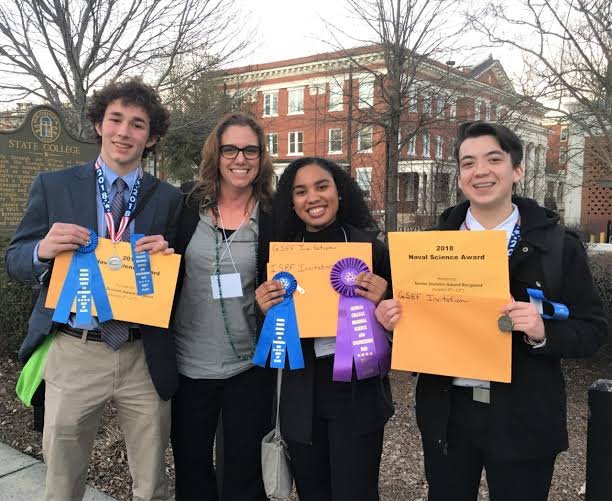
Science research competitions are structured events where students or early-career researchers submit original projects for evaluation by judges, often for prizes, scholarships, or recognition. Beginners should start by identifying a competition that matches their field and skill level, then build a project around a clear, testable question.
Science research competitions reward curiosity with structure. They give you a deadline, a judging panel, and a reason to turn a loose idea into a finished project. For beginners and small business owners exploring STEM outreach or student programs, that structure is often the hardest part to create alone.
This guide walks through what science research competitions are, how to choose the right one, and the steps to prepare a project that stands out — without assuming any prior experience.
What are science research competitions?
Science research competitions are formal events where participants submit original research projects for evaluation against defined criteria. Judges typically assess the project’s methodology, originality, and clarity of findings. Well-known examples include the Regeneron International Science and Engineering Fair (ISEF) and the Regeneron Science Talent Search, both organized by the Society for Science.
Most competitions fall into one of three categories:
- Fair-based competitions — students present a physical or digital display and answer judge questions in person.
- Paper-based competitions — participants submit a written research paper for review.
- Challenge-based competitions — teams solve a defined problem within a set timeframe, such as a hackathon-style event.
How do you choose the right science research competition?
Choosing the right competition starts with matching your interests, timeline, and experience level to the event’s requirements. Three filters narrow the options quickly:
- Check the eligibility rules. Age, grade level, and academic affiliation requirements vary by competition — confirm these before investing time in a project.
- Review past winning projects. Most competitions publish archives of previous entries, which show the expected depth and format.
- Confirm the submission format. Some require a live presentation, others accept a written paper or video submission — pick a format that fits your strengths.
What are the steps to prepare a competition-ready research project?
A competition-ready project follows a clear research process, not a last-minute writeup. Use this sequence:
- Identify a specific question. Narrow your topic to something testable, such as “Does water temperature affect seed germination rate?” rather than a broad subject like “plants.”
- Research existing work. Read prior studies on your topic to confirm your question hasn’t already been answered and to ground your hypothesis in evidence.
- Design your methodology. Define your variables, controls, and measurement process before collecting data.
- Collect and analyze data. Record results consistently and use basic statistical analysis to support your conclusions.
- Write and revise your submission. Draft your paper or presentation early, then revise for clarity — judges reward findings that are easy to follow.
- Practice your presentation. If the competition includes a live component, rehearse answering questions about your methodology and limitations.
What mistakes do beginners commonly make?
Beginners most often choose a question that’s too broad, skip the background research step, or run out of time to analyze their data properly. Avoiding these three issues alone puts a project ahead of most first-time entries.
Frequently Asked Questions
What age group can enter science research competitions?
It depends on the competition. Programs like ISEF target high school students, while others — including university-level and open competitions — accept participants into early adulthood. Always check the specific eligibility page.
Do you need a mentor to enter a science research competition?
Not always, but many competitions recommend one. A mentor — a teacher, researcher, or industry professional — can help refine your methodology and catch errors before submission.
How long does it take to prepare a project?
Most competitive projects take several weeks to a few months, factoring in research, data collection, and writing. Starting early leaves room for setbacks like failed experiments or data re-collection.
Are science research competitions only for STEM students?
No. Many competitions welcome business, social science, and interdisciplinary projects, particularly those with a research-based methodology rather than a strictly lab-based one.
What do judges look for in a winning project?
Judges consistently prioritize a clear research question, sound methodology, and well-supported conclusions over flashy presentation. Originality and depth of understanding matter more than scale.